

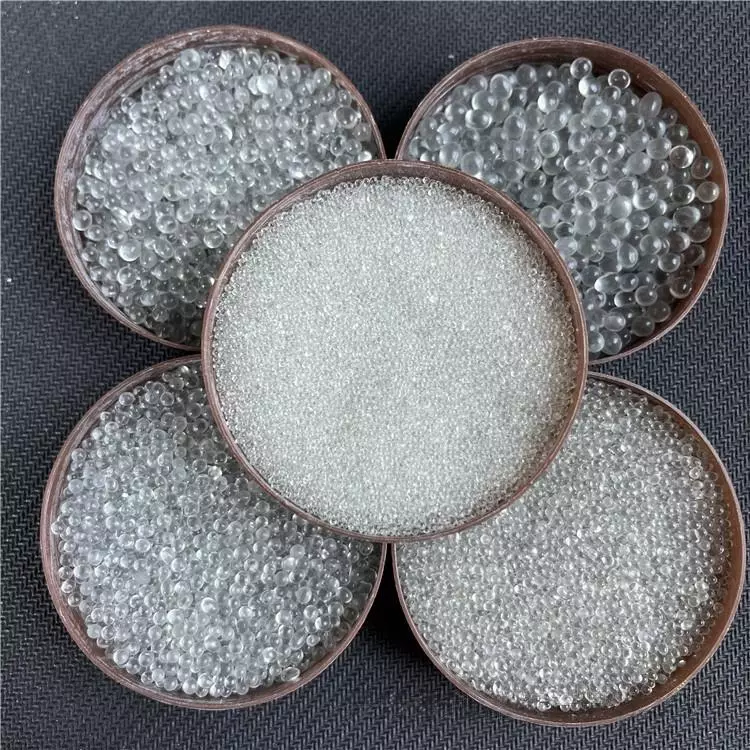
Glass-based filtration media are used in a range of water treatment systems. Depending on their material, shape and particle size, they can serve different roles in filtration processes.
When selecting glass beads for water filtration, buyers need to consider more than particle diameter. The appropriate specification depends on the filtration system, the type of water being treated, the required output quality and the operating conditions.
This guide explains how glass-based media may be used in filtration, what factors influence their performance, and what information buyers should prepare when discussing requirements with a manufacturer.
1. What Are Glass Beads for Water Filtration?
Glass beads for water filtration are glass-based particles used as filtration media or as part of a filtration system.
In some systems, spherical glass beads are used in a filter bed. Their particle size, shape and surface characteristics influence how the media pack together and how water moves through the bed.
It is important to distinguish between different types of glass filtration media:
- Spherical glass beads: Particles with a generally rounded shape. Their size and shape can be controlled according to the product specification.
- Crushed glass filter media: Irregularly shaped particles produced from processed glass.
- Specialty glass filtration media: Glass-based materials developed for particular filtration requirements or operating conditions.
These materials should not be treated as interchangeable. Their performance depends on the media properties and the design of the filtration system.
Before selecting a product, buyers should confirm whether their system requires spherical beads, crushed glass media or another type of filtration material.
2. How Does Glass Bead Media Work in a Filter Bed?
In a granular filtration system, water passes through a bed of particles. The media provides a structure in which suspended particles can be retained or removed from the water.
The filtration process may involve several mechanisms, depending on the system:
Physical Particle Retention
Particles in the water may be retained within the filter bed as water flows through the spaces between the media particles.
The effectiveness of this process depends on factors such as particle size, media arrangement, flow rate and the characteristics of the particles being removed.
Flow Distribution
The shape and size distribution of the media influence the spaces between particles.
A filter bed with an appropriate media specification and design can help maintain the intended flow conditions. However, bead shape alone does not determine filtration performance.
Surface and Material Characteristics
The surface condition and composition of the glass may also be relevant to the application.
For example, the media may need to meet requirements related to chemical compatibility, cleanliness or durability. These requirements should be evaluated according to the water chemistry and operating environment.
The actual filtration mechanism and performance should be confirmed for the specific media and system. A general description of glass beads does not establish a particular filtration efficiency.
3. Where Can Glass-Based Filtration Media Be Used?
Glass-based filtration media may be considered for different water treatment applications. The appropriate product depends on the system design and the performance requirements.
Industrial Water Treatment
Industrial water treatment systems may use filtration to remove suspended solids before water is reused, discharged or sent to another treatment stage.
Media selection may depend on:
- Raw water quality
- Required treated water quality
- Flow rate
- Filter bed design
- Operating pressure
- Backwashing requirements
The filtration media should be selected as part of the overall treatment system rather than as an isolated component.
Process Water Filtration
Manufacturing facilities may require process water with controlled levels of suspended particles.
In these applications, buyers should consider the particle characteristics, required water quality and the compatibility of the media with the process.
Multi-Media Filter Systems
Some filtration systems use more than one type or grade of media within the same filter bed.
The media arrangement and particle size ranges are determined by the system design. A glass-based medium may be used alongside other filtration materials where the design requires it.
The suitability of spherical glass beads for a particular filter bed should be confirmed with the system designer or filtration engineer.
4. How to Select the Right Glass Bead Size for Filtration
Particle size is one of the key factors in filtration media selection. However, there is no universal glass bead size suitable for every filter.
The following factors should be considered.
Particle Size and Size Distribution
The nominal diameter describes the target or reference size of the media. The particle size distribution describes the range of sizes present in the product.
A narrow size distribution may be required for some applications, while other systems may be designed to use a broader grading range.
Buyers should confirm:
- Required nominal diameter
- Acceptable particle size range
- Size distribution or grading requirements
- Applicable measurement or sieve method
Filter Bed Design
The media size should be compatible with the filter bed design.
Particle size affects the spaces between media particles and can influence flow through the bed. The relationship between particle size, bed depth and flow conditions should be evaluated as part of the filtration system design.
Flow Rate and Operating Conditions
The appropriate media specification depends on how the system operates.
Relevant factors may include:
- Required flow rate
- Filter loading rate
- Operating pressure
- Backwash conditions
- Water temperature
- Water chemistry
These operating conditions should be considered before confirming a media specification.
5. Other Quality Requirements to Consider
Particle size is only one part of filtration media quality.
Particle Shape
The shape of the media can affect how particles pack together.
Spherical glass beads and irregular glass particles may form different bed structures. The importance of shape depends on the filter design and the intended performance.
Material Composition
Glass composition may affect properties such as chemical compatibility and durability.
Buyers should clarify whether the application requires a particular glass composition or specific chemical properties.
Cleanliness
The cleanliness of the media may be important, particularly in applications where contamination could affect the process or treated water.
The required cleanliness level and any preparation procedures should be confirmed with the supplier and filtration system designer.
Mechanical Durability
The media may be exposed to flow, pressure changes and backwashing.
Its suitability should be evaluated according to the expected operating conditions and the manufacturer’s available product data.
Inspection and Documentation
For industrial procurement, buyers may need product specifications, inspection records or other documentation.
The required documents should be agreed before ordering, especially for applications with defined quality or compliance requirements.
6. Glass Beads vs. Other Filter Media
Glass beads are not automatically the best choice for every filtration system. Different media have different characteristics and may be suitable for different designs.
| Consideration | Spherical Glass Beads | Crushed Glass Media | Other Granular Media |
|---|---|---|---|
| Particle shape | Generally rounded | Irregular | Depends on material |
| Size specification | Diameter or size range | Grading range | Depends on product |
| Bed structure | Influenced by bead size and shape | Influenced by particle shape and grading | Depends on media properties |
| Material properties | Depend on glass composition | Depend on glass composition and processing | Depend on material |
| Selection basis | System design and required specifications | System design and required specifications | System design and required specifications |
The table provides a general comparison. Actual properties and performance depend on the specific product and filtration system.
When evaluating alternatives, buyers should compare the relevant technical data rather than relying only on the material name.
7. What Information Should You Provide When Requesting a Quotation?
To help a manufacturer evaluate your filtration media requirements, prepare as much of the following information as possible:
- Application: What type of water or process is being treated?
- Media type: Do you require spherical glass beads, crushed glass media or another form?
- Particle size: What nominal diameter or grading range is required?
- Filter design: Is the media used in a single-media or multi-media filter bed?
- Operating conditions: What are the flow rate, temperature, pressure and backwash conditions?
- Water quality: What are the relevant characteristics of the incoming water?
- Performance requirements: What treated water quality or filtration target is required?
- Quantity: What is the estimated order quantity?
- Documentation: Are inspection records, certificates or specific test methods required?
If some information is not yet available, a system description, existing media specification or equipment information can still help begin the discussion.
8. Discuss Your Filtration Media Requirements With GlassBeadTech
Selecting glass-based filtration media requires a clear understanding of the application, filter bed design and operating conditions.
Particle size, size distribution, shape, material composition and cleanliness may all be relevant. The appropriate specification should be confirmed according to the actual filtration system.
GlassBeadTech supplies glass bead products for industrial and specialty applications. If you are evaluating glass beads for a filtration project, share your application details and target specifications with our team.
We can review the information and discuss whether a suitable glass bead product or specification may be available for your requirements.
Contact GlassBeadTech to discuss your glass bead requirements.
Frequently Asked Questions
Are glass beads suitable for water filtration?
Glass-based media are used in some water filtration systems. Suitability depends on the media type, particle size, filter bed design and operating conditions.
What size glass beads are used for filtration?
There is no universal size. The appropriate particle size depends on the filter design, flow rate, water quality and required filtration performance.
Are spherical glass beads the same as crushed glass filter media?
No. Spherical beads have a generally rounded shape, while crushed glass media consists of irregular particles. Their characteristics and suitability may differ.
Do glass beads improve filtration performance compared with sand?
Performance depends on the specific media, filter design and operating conditions. A direct comparison should be based on relevant technical data or testing under comparable conditions.
What information is needed to select filtration glass beads?
Important information includes the application, media type, particle size range, filter bed design, flow rate, operating conditions and required treated water quality.
Can glass beads be supplied in custom sizes?
Custom size ranges may be possible depending on the product, material and manufacturing capabilities. The required size range and quality criteria should be confirmed with the manufacturer.